Concentrate FAQs
What concentrates does Nimbus make in Massachusetts?
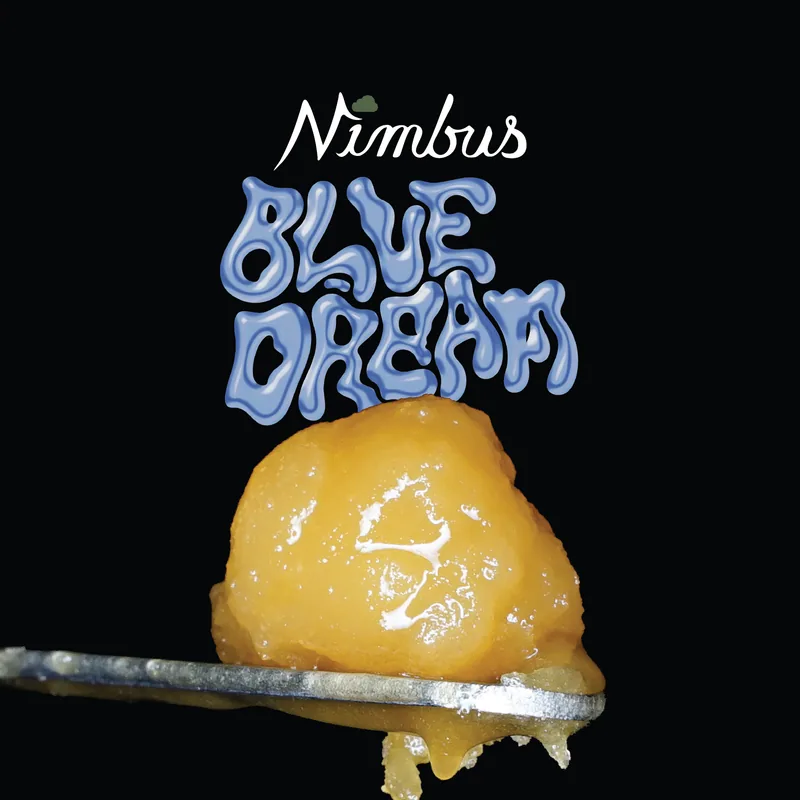
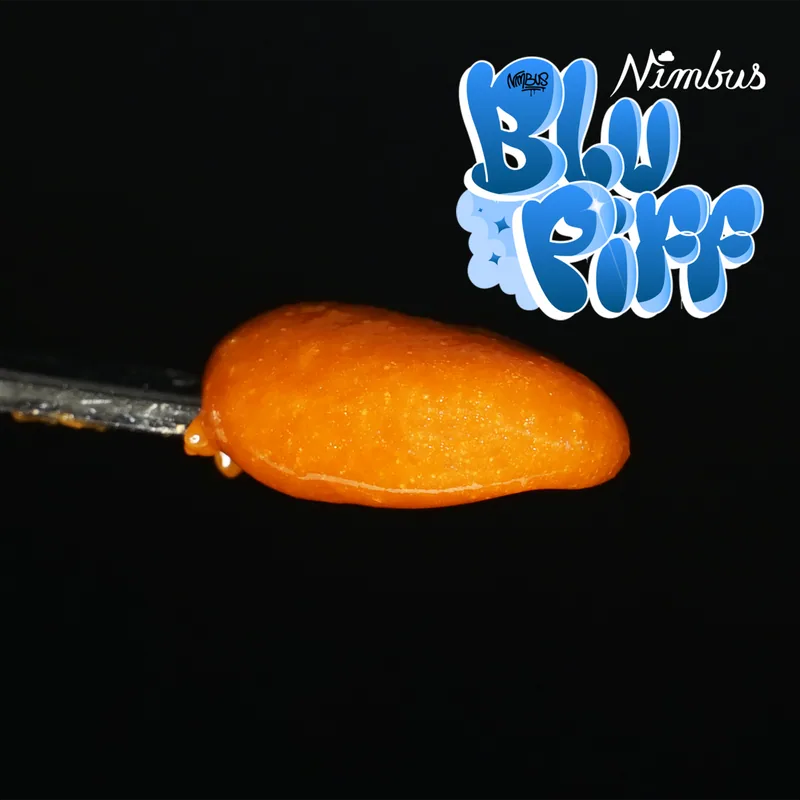
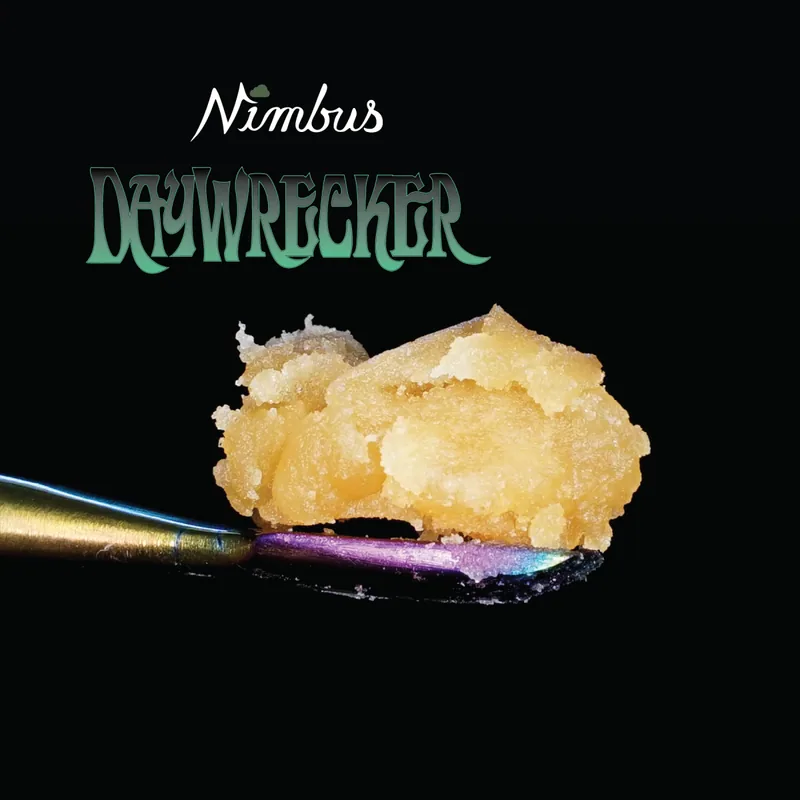
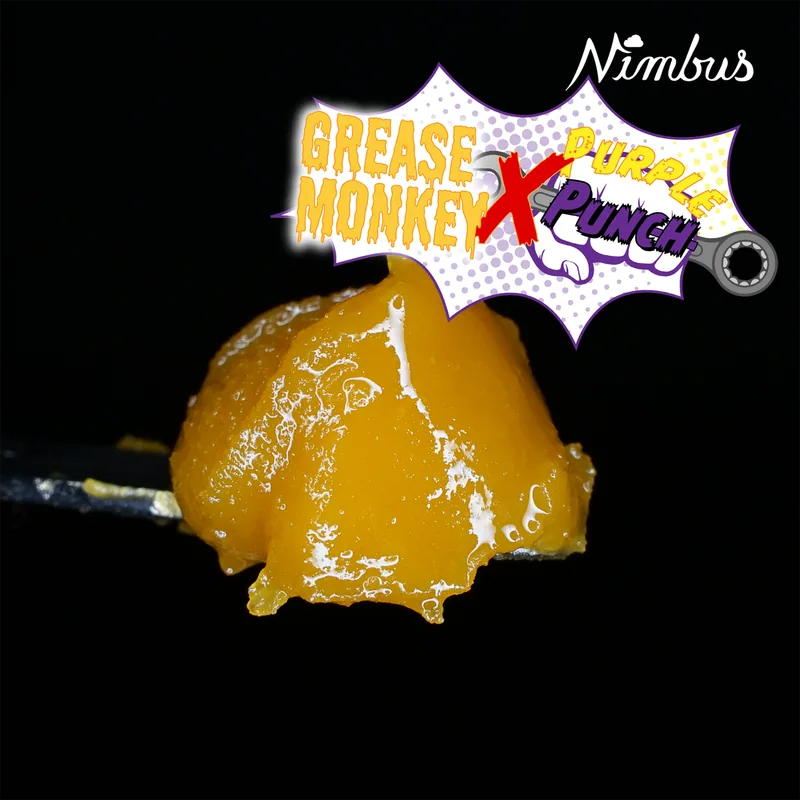
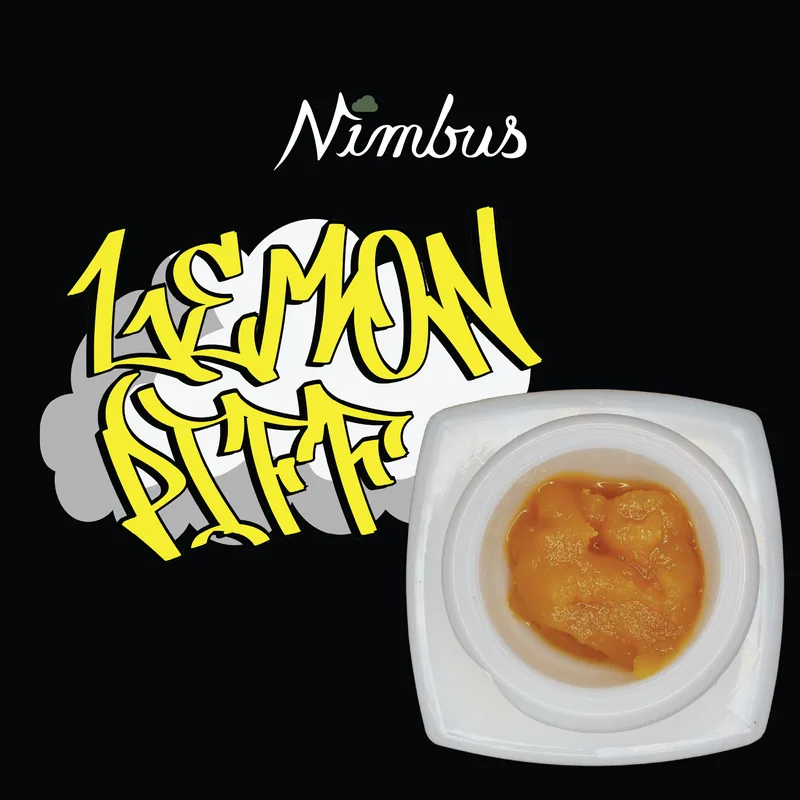
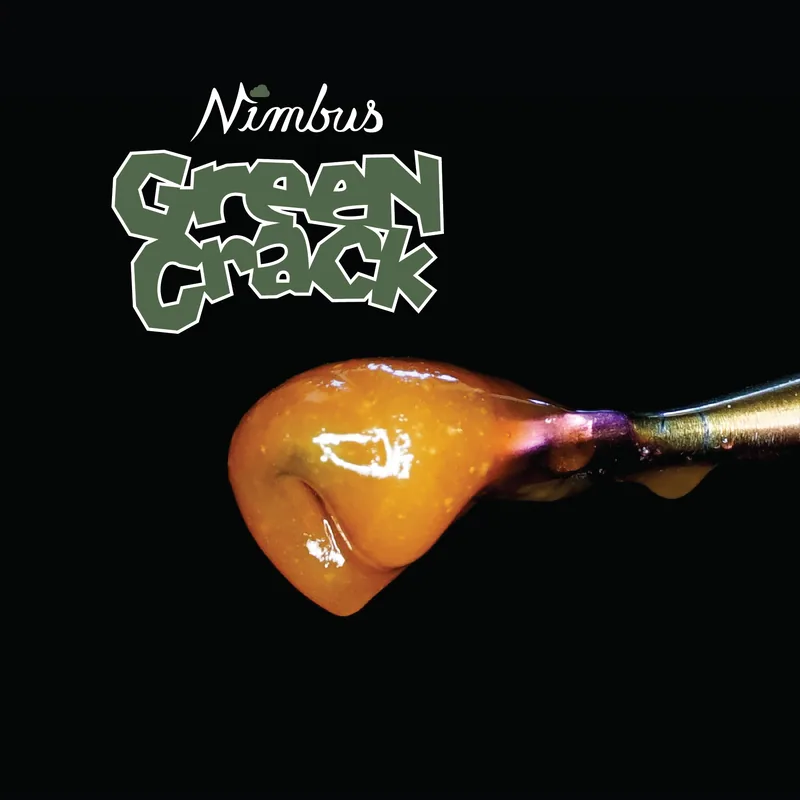
Massachusetts carries the full Nimbus concentrate range, produced in the award-winning Hudson Botanical Processing extraction lab: Live Resin, solventless Live Rosin, Live Dabs and Cured Dabs, plus Bowl Topper THCa diamond dust. Consistencies include badder, sugar and diamonds depending on the run.
What is live resin?
Live resin is a concentrate extracted from flower that's flash-frozen fresh at harvest instead of dried and cured, then extracted cold. Freezing preserves the volatile terpenes that normally evaporate during drying, so live resin tastes much closer to the living plant than concentrates made from cured material.
What is live rosin?
Live rosin is a solventless concentrate. Fresh-frozen flower is washed in ice water to separate the trichome heads, and that hash is pressed with heat and pressure — no solvents at any stage. It's labor-intensive and low-yield, which is why it sits at the top of the concentrate menu. Live rosin is a Massachusetts offering.
What's the difference between live resin and live rosin?
Both start from fresh-frozen material; the separation method differs. Live resin uses a hydrocarbon solvent that's fully purged afterward. Live rosin uses only ice water, heat and pressure — no solvent ever touches it. Rosin costs more and yields less, and many people find it tastes cleaner.
What are Live Dabs?
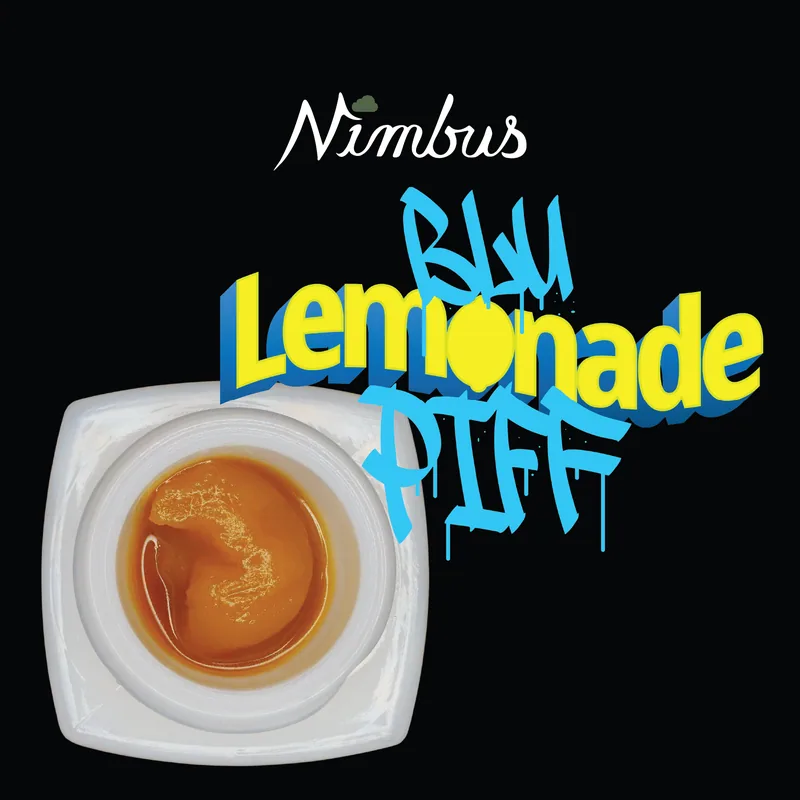
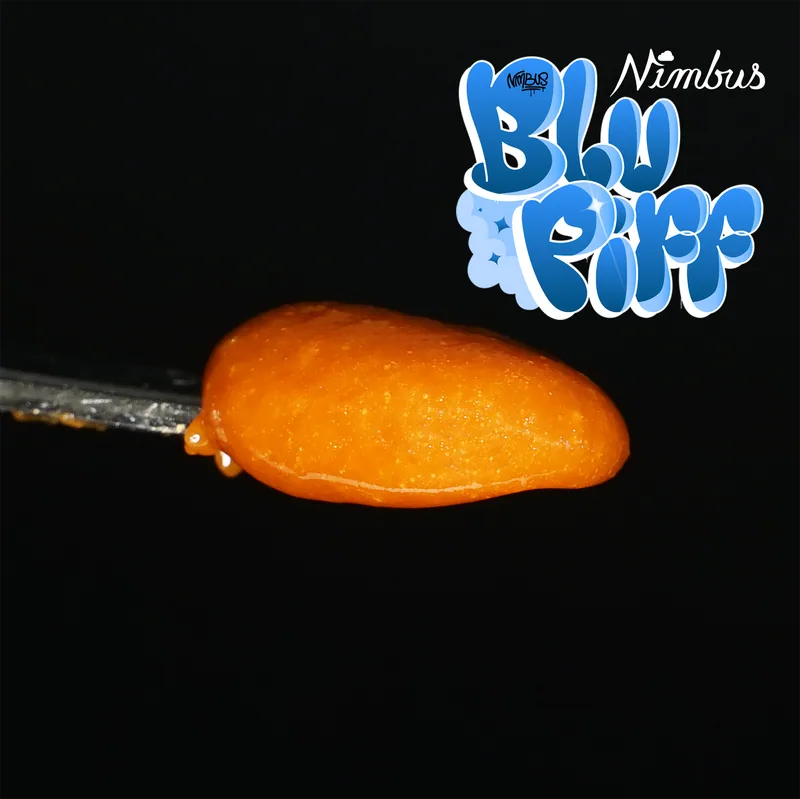
Live Dabs are Nimbus's solvent-based dab concentrates made from fresh-frozen flower, offered in 0.5g and 1g. They preserve the terpene-forward character of live material and come in consistencies like badder, sugar and diamonds depending on the run.
What are Cured Dabs?
Cured Dabs are extracted from dried, cured flower rather than fresh-frozen material, so they capture the profile of the finished cure instead of the living plant. They tend to be a touch more shelf-stable and carry a different flavor character than live products.
What is Bowl Topper?
Bowl Topper is pure THCa diamond dust — a crystalline concentrate you sprinkle on a bowl or roll into a joint for a customized kick of potency. It ships in 1g.
What is badder?
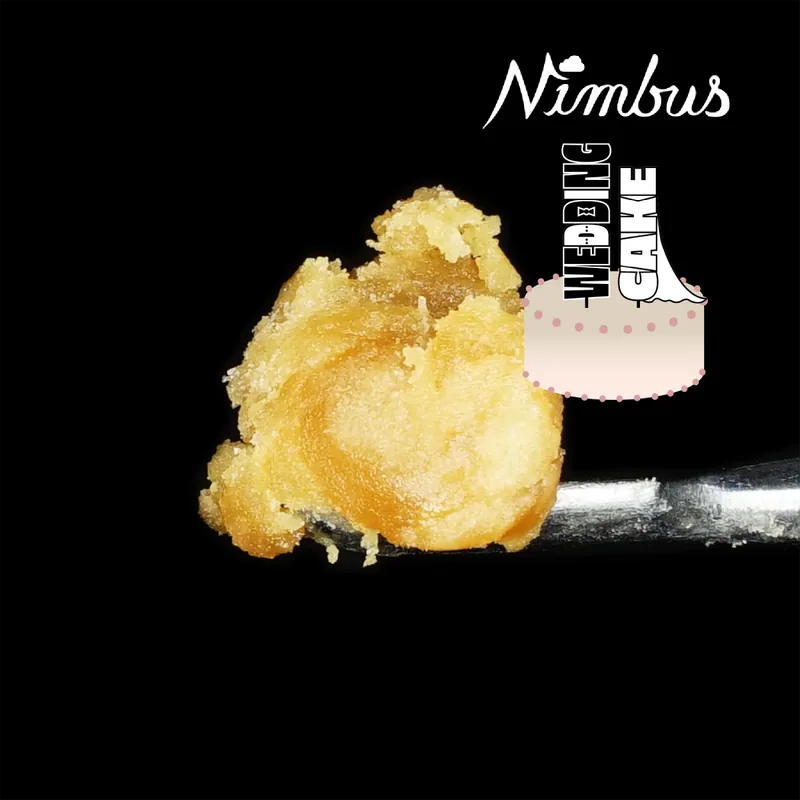
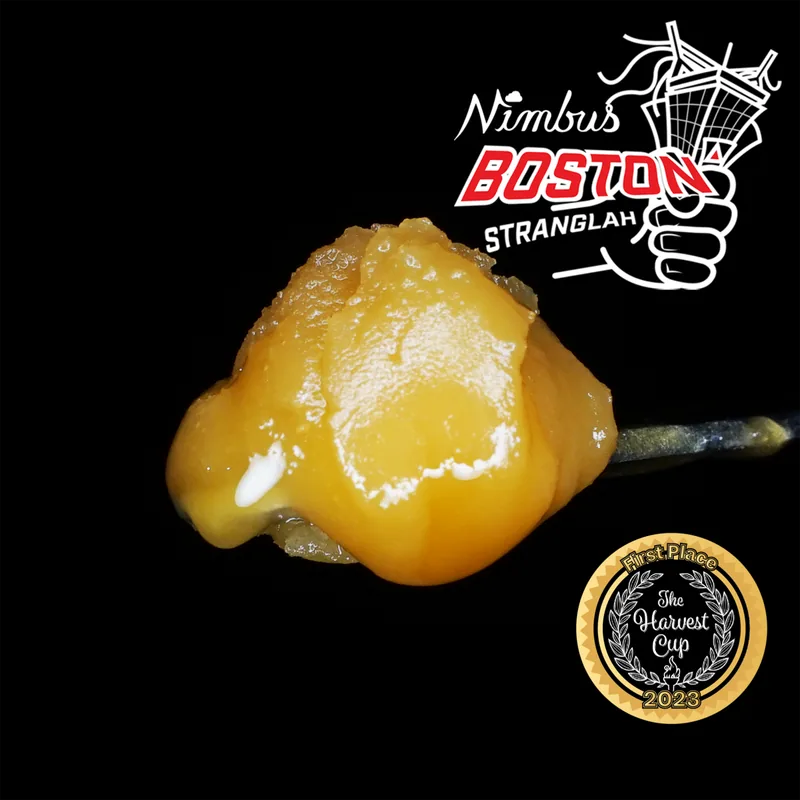
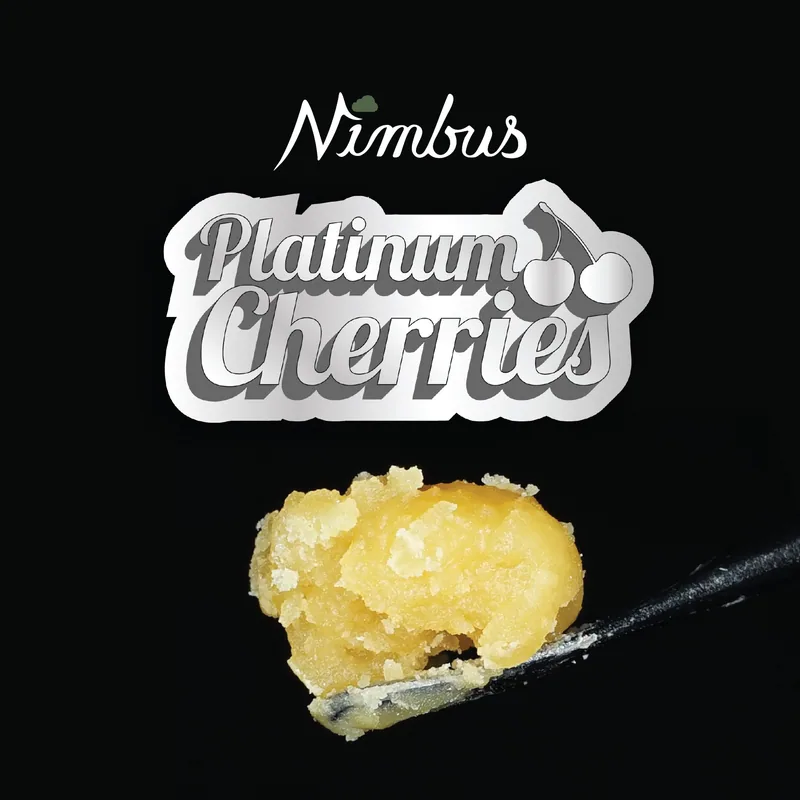
Badder is a concentrate consistency — whipped during the purge until it takes on a soft, cake-frosting texture that's easy to handle with a dab tool and holds terpene character well. Nimbus took a 2023 Harvest Cup with its Boston Stranglah live badder.
What's the difference between badder, sugar and diamonds?
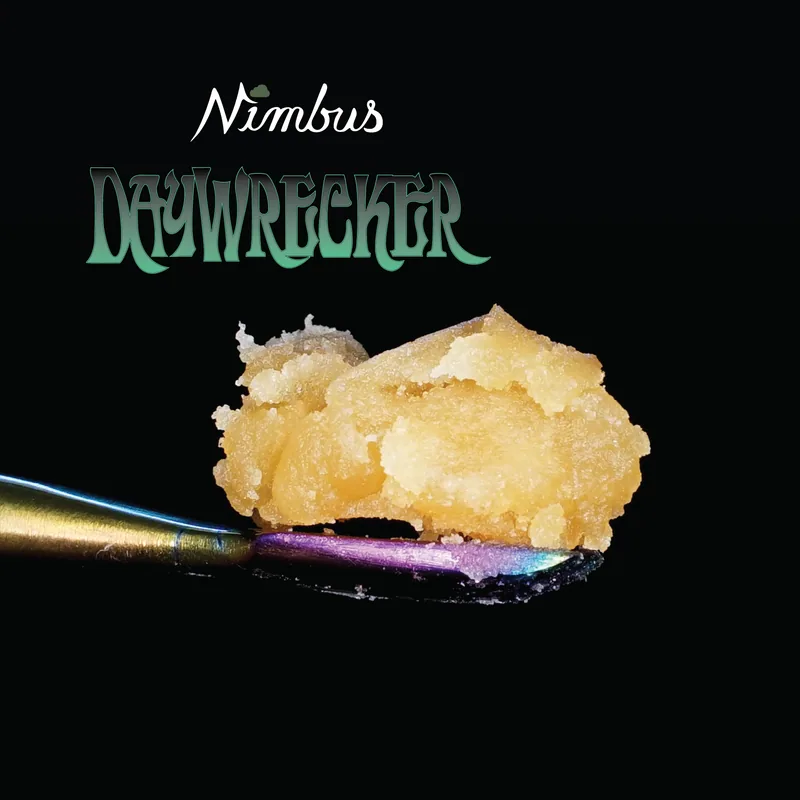
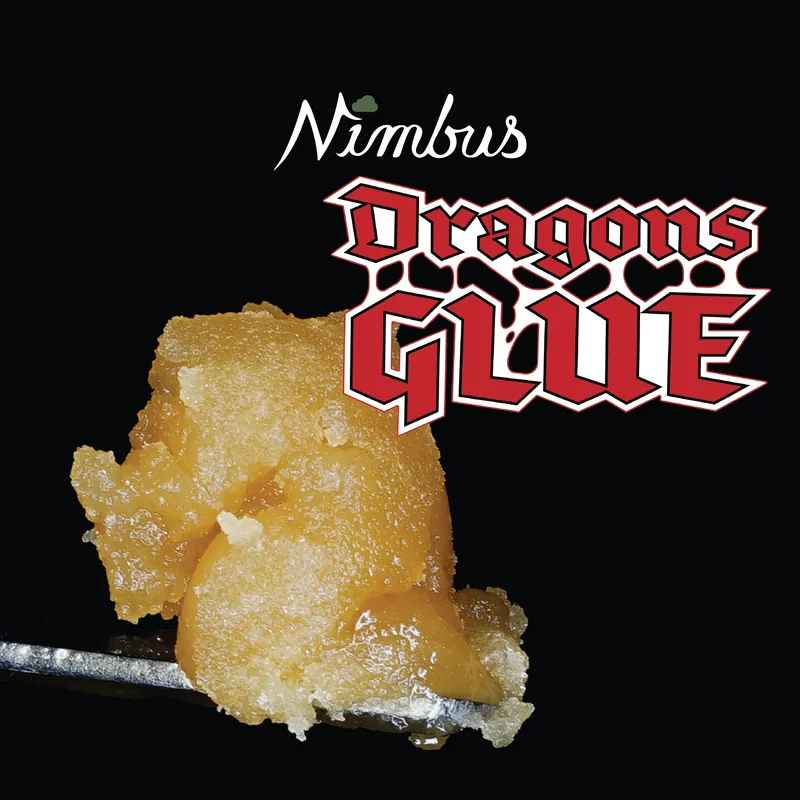
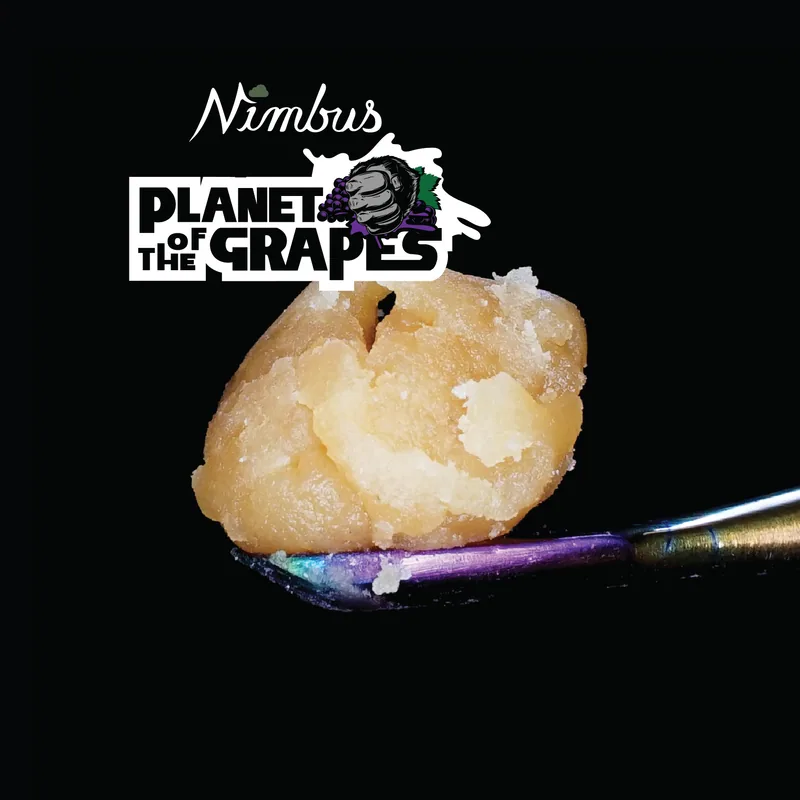
Texture and crystal structure, driven by how the extract is processed after the run. Badder is whipped into a soft, spreadable consistency. Sugar has visible granular crystals in a terpene-rich sauce. Diamonds are large crystalline structures, usually served in a sauce. Same starting material, different post-processing.
Are Nimbus concentrates solventless?
Some are. Live rosin is solventless — ice water, heat and pressure only. Live resin and other hydrocarbon-extracted products use a solvent that's fully purged and verified through required residual-solvent testing before the product can be sold. The label tells you which process was used.
What's the difference between solvent-based and solventless concentrates?
Solvent-based products (live resin, live and cured dabs) use a hydrocarbon extraction that's purged and lab-tested for residual solvents. Solventless products (live rosin, ice water hash) use only mechanical pressure and cold-water separation. Solventless is generally considered the cleanest method, but it's lower-yield and costs more.
At what temperature does Nimbus extract live resin?
Nimbus runs its live resin extraction cold — roughly -70°F to -80°F. Extracting at those ultra-low temperatures isolates the desired compounds while leaving waxes, lipids and chlorophyll behind, so the extract keeps its full terpene profile without extra filtration or post-processing.
What is “fresh frozen” material?
Fresh frozen means the plant is harvested and immediately frozen rather than dried and cured. Freezing locks in the volatile terpene compounds that normally evaporate during a conventional dry. Everything labeled “live” — live resin, live rosin — starts from fresh-frozen material.
What is a cold cure concentrate?
Cold cure describes rosin that's cured at low temperature after pressing, over a longer period, instead of being whipped warm. The slower, cooler process tends to preserve more volatile terpenes and produces a distinctive creamy consistency. It takes longer, which is part of why it costs more.
Has Nimbus won awards for its concentrates?
Yes — Nimbus took a 2023 Harvest Cup win with Boston Stranglah live badder out of the Hudson Botanical Processing extraction lab. Competition results are a snapshot of a single batch, but they're a reasonable signal of what a lab can produce.
Who does Nimbus collaborate with on concentrates?
Nimbus has run concentrate collaborations with partners including Harbor House (a Honey Boo Boo Live Rosin collab), High Plains Farm, Gibby's Garden, and Bailey's Buds — the last a Masshole Liberty Haze Live Resin collaboration with a social-equity micro-business.
What temperature should I dab at?
Low temperature — generally in the low-to-mid 500°F range at the surface — preserves the terpenes you paid for. Overheating a nail scorches the concentrate, tastes acrid and wastes the aromatics. Use a temperature-reading device, or let a hot nail cool for 30 to 60 seconds before you drop the dab.
Do I need a dab rig to use concentrates?
Not necessarily. A traditional rig with a nail or banger is the classic approach, but electronic dab devices and portable concentrate vaporizers work well and give better temperature control. You can also add a little to a bowl or joint, though flavor and efficiency suffer.
How should I store concentrates?
Cool, dark and sealed. Keep the container closed when you're not using it, away from heat and sunlight, which degrade terpenes and change texture. Some people refrigerate rosin for long-term storage; if you do, let the jar reach room temperature before opening to avoid condensation.
Why did my concentrate change texture?
Concentrates aren't static — heat, time and agitation cause them to “nose up,” meaning cannabinoids crystallize out of the terpene sauce and the texture shifts from smooth to grainy. It's a normal physical change, not a defect. Cool, dark storage slows it down considerably.
How much concentrate should I use at once?
Start smaller than you think — concentrates are far more potent by volume than flower, and a dab the size of a grain of rice is a reasonable starting point if you're new to the format. Wait to see how you feel before going again. You can always take more; you can't take less.
What sizes do Nimbus concentrates come in?
Most Nimbus concentrates come in 0.5g and 1g. Bowl Topper ships in 1g. Which formats and strains are on the shelf comes down to what each dispensary orders — check the Massachusetts product search for what's running now.